Artist Guest List Management Without the Door Chaos
A practical guide to managing artist guest lists, approvals, plus-ones, credentials, and last-minute changes on show day.

tour-flow Team
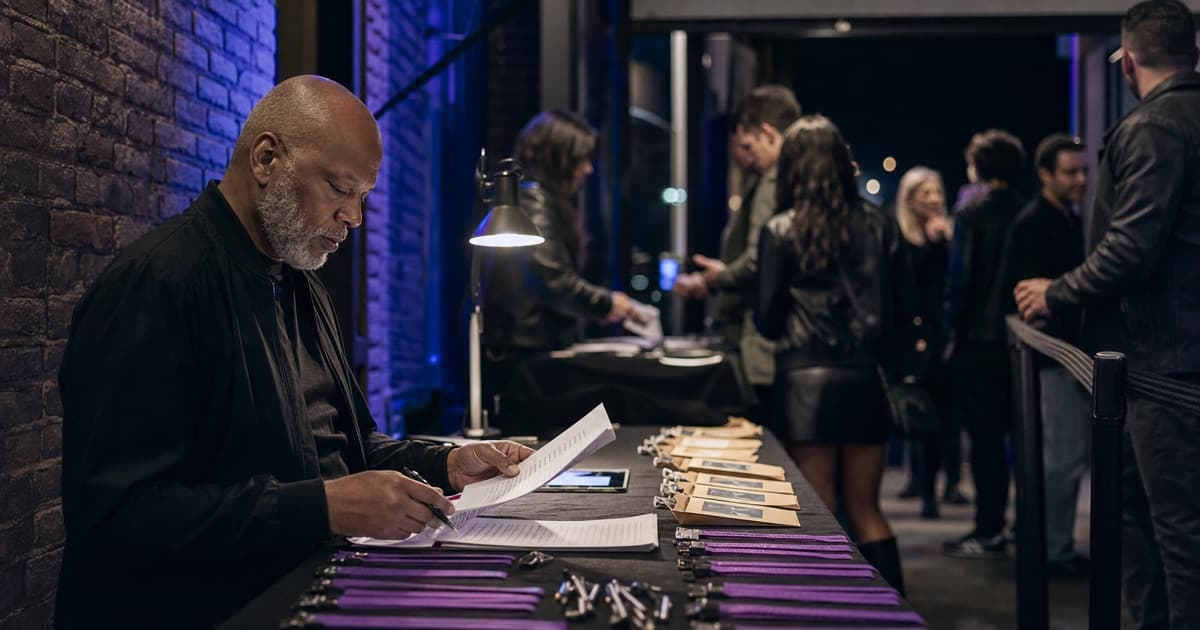
Guest list problems rarely look serious until they reach the door. Then they become urgent, public, and personal.
Someone was promised a plus-one. A label contact is missing. The artist added names after doors. Security has one version, box office has another, and the tour manager is getting calls while trying to move the show forward.
Good guest list management is not glamorous. It is a clean process with clear ownership.
Decide Who Can Add Names
Start with authority. Every tour should define who can add or approve guest list names:
- Artist
- Artist manager
- Tour manager
- Label or agent contact
- Promoter representative
- VIP coordinator
If everyone can add names, nobody owns the count. If nobody owns the count, the door owns the problem.
Set a Deadline
Guest lists need a cutoff. A useful rule is:
- Initial list due by noon on show day
- Final additions due one hour before doors
- Emergency additions only through one named person
The exact times can change, but the rule should not. Deadlines protect the box office, security, and the tour manager.
Separate Guest Types
Not every guest needs the same access. Track categories clearly:
| Type | Typical access |
|---|---|
| Standard guest | Ticket or comp admission |
| Photo guest | Photo pass plus admission |
| VIP guest | Admission plus VIP area |
| Working guest | Credentialed access for work |
| After-show guest | Post-show access only |
This prevents the classic mistake where a person on the admission list expects backstage access because "guest list" meant something different to them.
Track Plus-Ones Explicitly
Do not write "Sarah + guest" if the door needs names. Track:
- Primary guest name
- Plus-one name if known
- Number of allowed plus-ones
- Approval owner
- Notes for box office or security
Unknown plus-ones are sometimes unavoidable, but they should be intentional, not accidental.
Keep Credentials Separate From Admission
A ticket gets someone into the show. A credential gets them into controlled areas. Mixing those two creates security problems.
Keep separate fields for:
- Admission status
- Credential type
- Access areas
- Pickup location
- ID requirement
- Escort requirement
If a guest needs backstage access, the security lead should know before the guest arrives.
Make Changes Visible
Last-minute changes will happen. The key is making them visible to the right people:
- Box office needs admission changes
- Security needs access changes
- VIP coordinator needs package changes
- Tour manager needs unresolved conflicts
Avoid forwarding updated screenshots or PDFs. They create version confusion at exactly the wrong moment.
Keep a Show-Day Audit Trail
When guest list disputes happen, a simple history helps:
- Who added the name?
- When was it added?
- Who approved it?
- What access was granted?
- Was it changed later?
You do not need a courtroom record. You need enough context to answer the question without guessing.
Debrief Repeated Issues
After the show, note patterns:
- Which names arrived late?
- Which categories were unclear?
- Did box office receive the right version?
- Did security understand credential rules?
- Did the artist need a better request process?
Guest list chaos is usually a process problem pretending to be a people problem.
Keep Show-Day Coordination in tour-flow
tour-flow gives the tour team one current event record for guest-list deadlines, venue contacts, schedules, credentials, and last-minute operational changes, reducing the version conflicts that create door chaos.
Keep the people responsible for access working from the same plan. Organize your next show day with tour-flow
More Articles
The Anatomy of a Perfect Day Sheet
A great day sheet is the difference between a smooth show day and total chaos. Here's exactly what to include and how to structure it.
February 10, 2026
How to Build a Tour Communication Plan That Crews Actually Follow
Create a tour communication plan for day sheets, urgent updates, department channels, approvals, and show-day escalation.
July 2, 2026