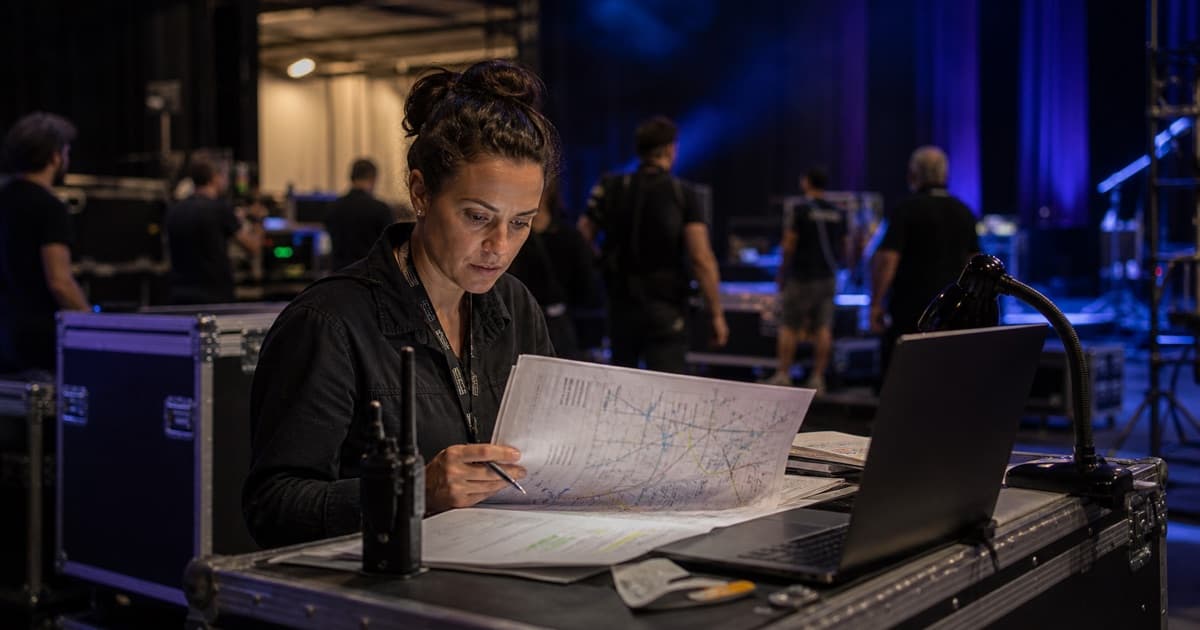
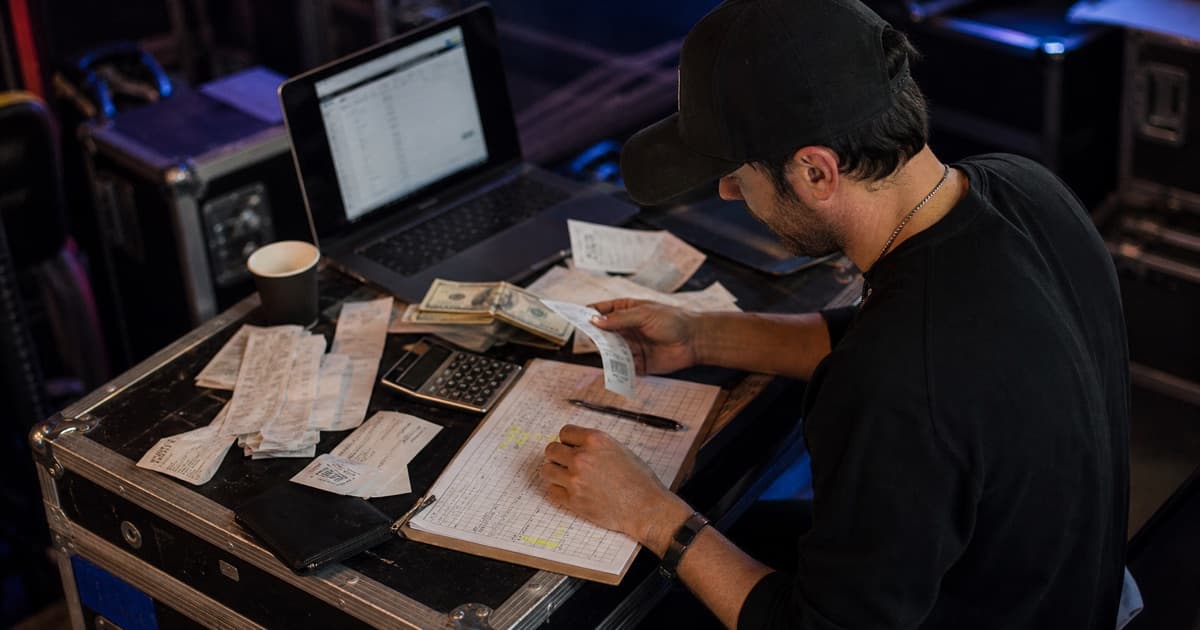
Post-Tour Debrief: The Questions That Make the Next Run Better
Run a useful post-tour debrief with questions for routing, crew, production, finances, venues, tools, and recurring problems.

tour-flow Team
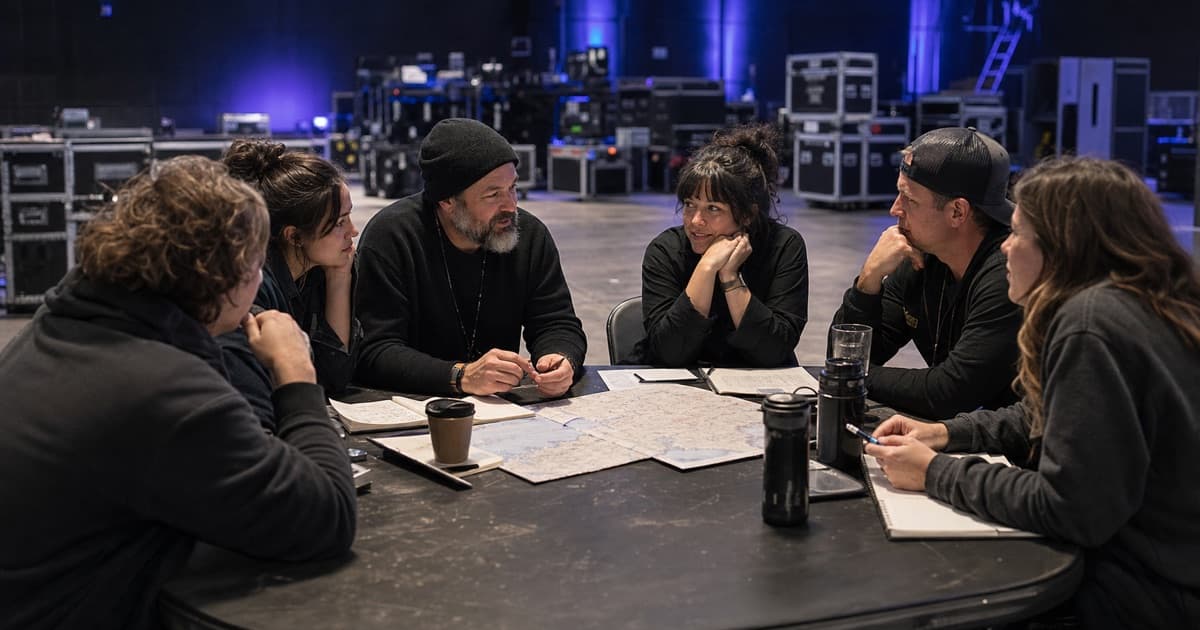
The end of a tour is the best time to improve the next one and the easiest time to skip the work.
Everyone is tired. Invoices need attention. Gear goes back. People travel home. A week later, the sharp details soften into general impressions: "routing was rough," "that venue was hard," "communication could be better."
A good post-tour debrief turns those impressions into decisions.
Schedule It Before the Tour Ends
Do not wait until everyone leaves to plan the debrief. Put it on the calendar before the final show:
- Within one week of the last date
- Long enough for real discussion
- Short enough that people will attend
- With the right department leads present
- With notes captured in one place
The meeting is not for blame. It is for memory.
Start With the Routing
Ask:
- Which drives were too long?
- Which hotel arrivals were unrealistic?
- Which border crossings caused delays?
- Which cities needed more buffer?
- Which off days were well placed?
- Which show-to-show jumps should not repeat?
Routing lessons are expensive to relearn. Capture them while the pain is still specific.
Review Venues and Promoters
For each venue, note:
- Load-in quality
- Parking accuracy
- House crew
- Production support
- Hospitality
- Dressing rooms
- Settlement process
- Curfew issues
- Overall recommendation
Do not write "bad venue" if the real issue was "dock blocked by local vendor until 11:00." Specific notes are useful. Vague notes only create bias.
Talk About Crew and Communication
Useful questions:
- Were roles clear?
- Were call times realistic?
- Were updates missed?
- Did department leads have enough information?
- Were escalation paths clear?
- Did new crew onboard smoothly?
- Was rest time protected?
This section should include both process and people, but keep it operational. The goal is a better tour, not gossip.
Review Production
Ask department leads:
- Which specs were wrong?
- Which rentals were unnecessary?
- Which house systems caused problems?
- Which templates need updates?
- Which gear should be carried next time?
- Which local crew calls were too light or too heavy?
Production lessons should update templates, not just live in someone's head.
Look at the Money
Financial review should cover:
- Budget vs. actual by event
- Repeated overruns
- Settlement delays
- Merch deductions
- Hotel and travel costs
- Local crew variance
- Cash handling issues
- Missing receipts
The question is not only "what did it cost?" The better question is "which costs can we control next time?"
Review Tools and Documents
Ask:
- Which documents were hard to find?
- Which templates saved time?
- Which forms need better fields?
- Which systems created duplicate work?
- Which information was still trapped in email?
- Which files were outdated on show day?
Tour tools should reduce road stress. If they add admin without improving show-day clarity, change the process.
Turn Notes Into Actions
End the debrief with decisions:
- Update the advance form
- Change routing rules
- Adjust crew onboarding
- Add budget categories
- Rewrite day sheet sections
- Update production templates
- Flag venues for future routing
Assign owners. A debrief without owners is just a conversation.
Keep the Debrief With the Tour Record
Store the debrief where future planners will find it. The next tour manager, production manager, or artist manager should be able to read the notes and understand what to repeat, what to avoid, and what to fix.
That is how one tour makes the next one better.
Turn Tour Lessons Into Better Templates
tour-flow keeps tour records, event notes, documents, crew details, schedules, and financial context connected. Teams can review what happened, update reusable templates, and carry proven decisions into the next run instead of starting from memory.
Build every new production on the lessons from the last one. Manage your next tour in tour-flow