Tour Settlement Basics: What to Prepare Before the Show Ends
Understand tour settlement basics, from deal sheets and box office reports to expenses, merch, deductions, and payment records.

tour-flow Team

Settlement is easier when it starts before the show ends.
If the first serious settlement prep happens after load-out, you are already tired, the promoter is busy, receipts are scattered, and everyone wants to leave. The cleanest settlements come from tours that collect the right information throughout the day.
Know the Deal Structure
Before doors, confirm the deal type:
- Flat guarantee
- Guarantee plus percentage
- Versus deal
- Door split
- Festival fee
- Private event fee
The deal structure tells you which numbers matter. A flat guarantee still needs expense records, but a versus deal depends heavily on accurate box office and deduction details.
Keep the Deal Sheet Close
The settlement packet should start with the deal sheet or contract summary:
- Artist and event name
- Date and venue
- Promoter entity
- Guarantee
- Bonus or percentage terms
- Tax handling
- Merch terms
- Payment method
- Required invoices or forms
Do not rely on someone remembering the terms. Put the terms in front of the people settling.
Track Box Office Details
For ticketed shows, collect:
- Tickets sold
- Tickets comped
- Holds
- Walk-up sales
- Ticket price tiers
- Fees
- Gross receipts
- Net receipts
- Final count
If the count changed during the night, note why. A clean explanation prevents later disputes.
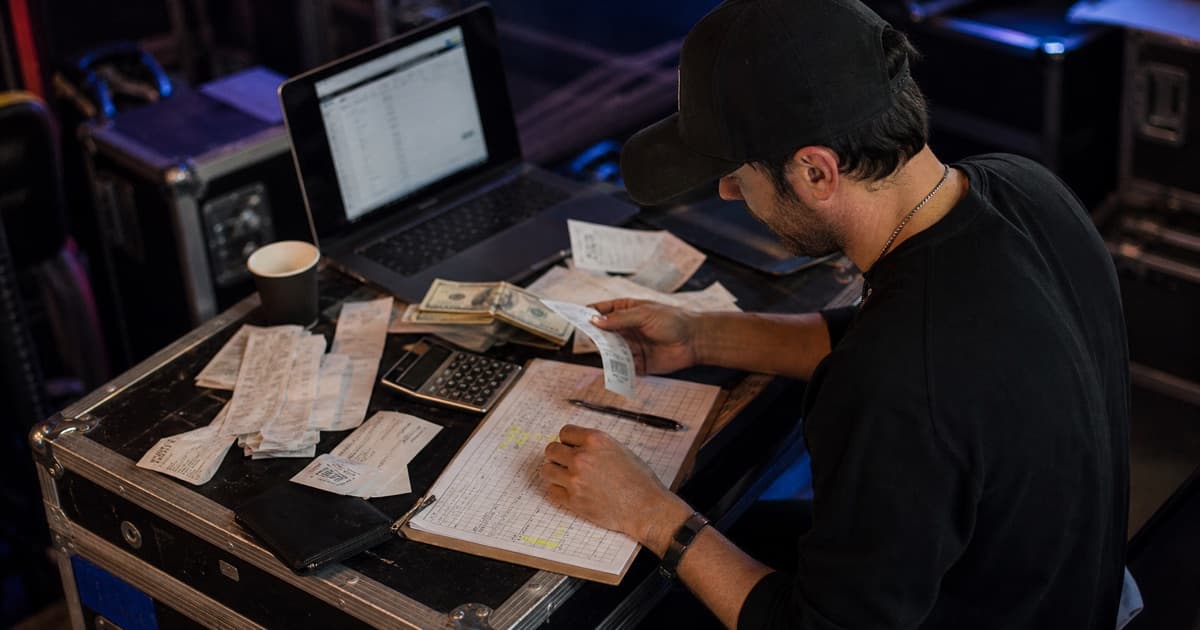
Organize Expenses by Category
Common settlement deductions include:
- Local crew
- Security
- Medical
- Catering
- Runner
- Advertising
- Facility fees
- Ticketing fees
- Equipment rentals
- Tax
Each deduction should have documentation. "Venue expenses" is not a useful line item. "Local crew, 8 people, 5-hour minimum" is.
Confirm Merch Terms
Merch settlement can get messy because it often happens alongside show settlement but has different inputs:
- Starting inventory
- Ending inventory
- Units sold
- Cash and card totals
- Venue percentage
- Seller fee
- Tax handling
- Cash paid out
If the venue takes a percentage, make sure the agreed rate is written down before sales begin.
Capture Payment Details
Settlement is not complete until payment is traceable. Record:
- Amount paid
- Payment method
- Recipient entity
- Invoice number
- Wire or check reference
- Cash count
- Person who confirmed payment
For international tours, include currency and exchange context. Small currency assumptions can become large accounting problems across a full run.
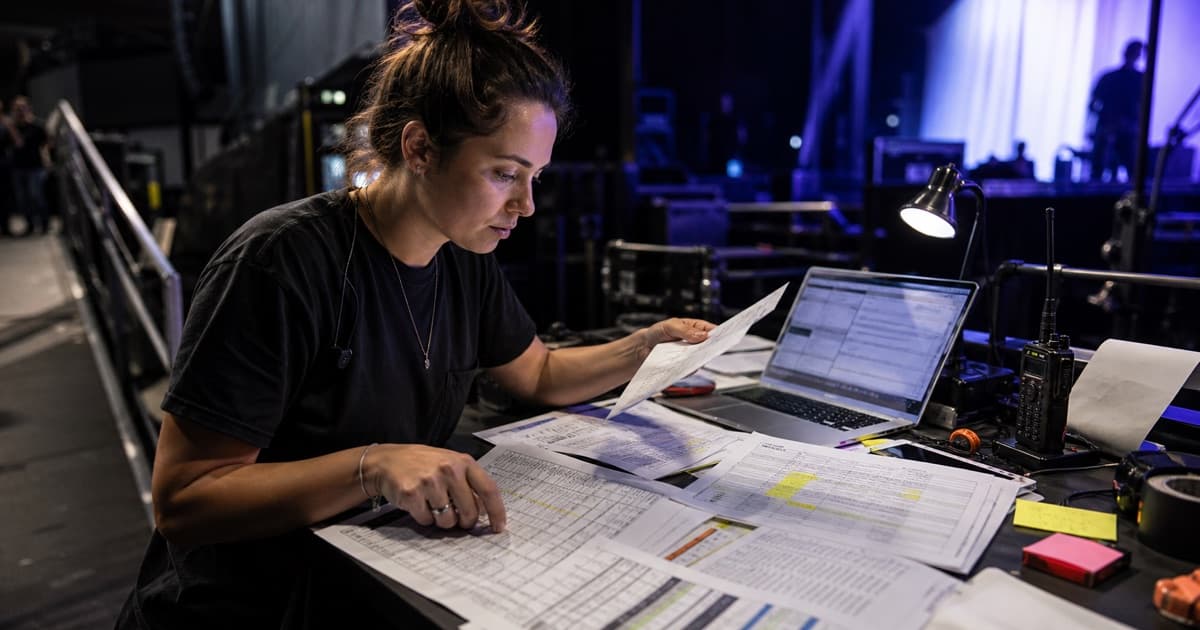
Review Before Sign-Off
Before anyone signs, check:
- Does the final amount match the deal?
- Are deductions documented?
- Are ticket counts consistent?
- Are merch terms applied correctly?
- Are taxes handled as expected?
- Is payment timing clear?
- Are both parties using the same version?
Settlement pressure is real. The room wants to move quickly. A short checklist keeps speed from becoming sloppiness.
Keep Records Attached to the Event
After settlement, store the packet where the team can find it later:
- Signed settlement sheet
- Box office report
- Receipts
- Invoices
- Merch report
- Payment confirmation
- Notes on disputes or adjustments
Future accounting, management review, and routing decisions depend on this information being findable.
Prepare Settlements With tour-flow
tour-flow keeps deal context, event income and expenses, currencies, receipts, settlement documents, and notes connected to the correct show. That makes the final review easier to prepare and the signed record easier to find after load-out.
Keep settlement information with the event that produced it. Manage your next tour in tour-flow