Mastering Travel Days: The Unsung Hero of Tour Logistics
Travel days can make or break a tour. Learn how to plan routes, manage bus calls, handle border crossings, and keep your crew rested.

tour-flow Team
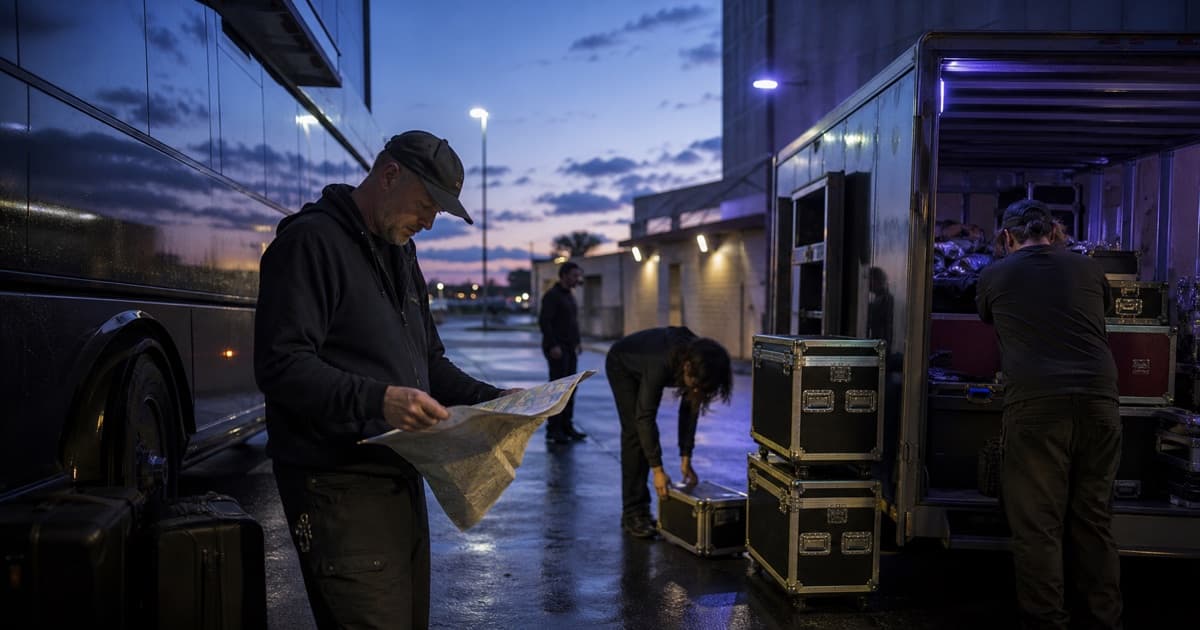
Show days get all the attention. The soundcheck, the performance, the after-show — that's what people think about when they think about touring. But ask any seasoned road warrior, and they'll tell you: it's the travel days that make or break a tour.
A badly planned travel day cascades into everything. Exhausted crew, late arrivals, missed load-ins, and frayed tempers. A well-planned travel day is invisible — which is exactly how it should be.
The Fundamentals
Route Planning
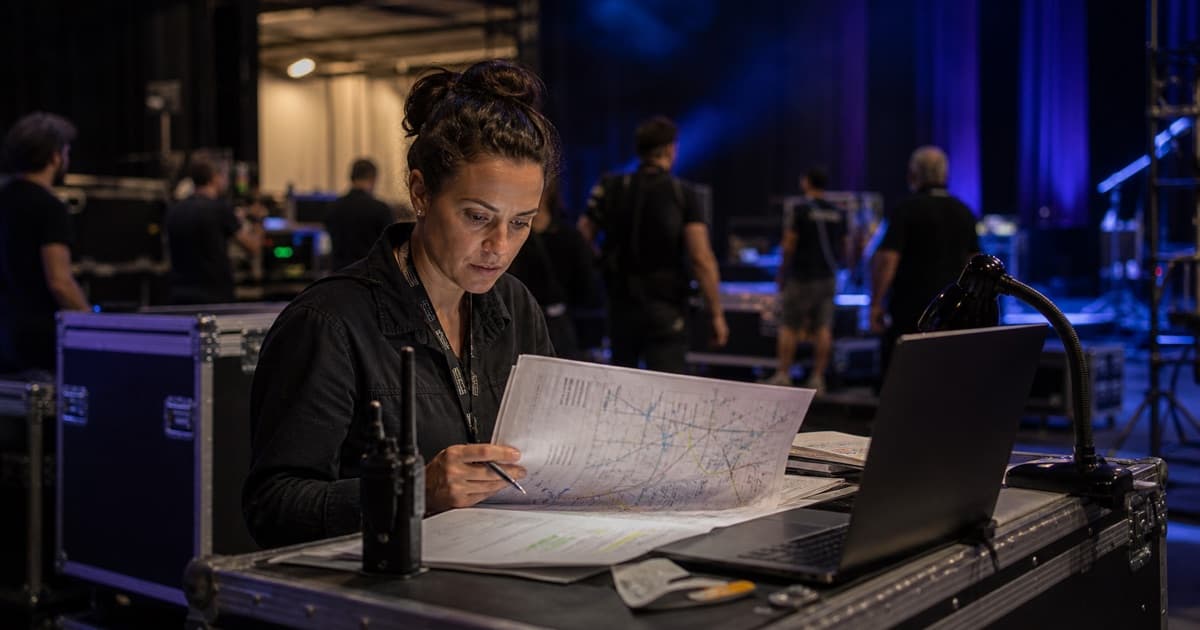
The old approach was simple: draw a line between cities on a map. Modern tour routing is more nuanced:
- Drive times — factor in traffic patterns, not just distance. A 300km drive can take 3 hours or 7 hours depending on when and where.
- Rest requirements — EU driving regulations and common sense both mandate rest breaks. Plan for them.
- Border crossings — time estimates should include customs and immigration, especially with gear and merchandise.
- Fuel and services — know where your truck stops are, especially on long hauls.
- Alternate routes — have a backup if the motorway is blocked.
Bus Call vs. Lobby Call
This distinction matters:
- Bus call (bus tours): The time the bus physically departs. If bus call is 09:00, the bus leaves at 09:00. Period.
- Lobby call (hotel/van tours): The time everyone should be in the lobby ready to go. Build in 15 minutes of buffer before actual departure.
Communicate which one you're using and be consistent throughout the tour.
Types of Travel Days
Show-to-Show (Overnight)
The most common pattern on bus tours:
- Load-out finishes at midnight
- Bus departs for next city
- Crew sleeps on the bus
- Arrive at hotel in the morning
- Hotel rooms available (early check-in arranged)
- Rest until load-in
Key planning considerations:
- Drive time determines how much sleep the crew gets
- Early check-in is essential — negotiate this with every hotel
- Have a late breakfast or brunch option available
- Don't schedule load-in too early after a long drive
Dedicated Travel Day (Off Day Travel)
When the drive is too long for an overnight, or when routing requires a full day of travel:
- Morning departure — lobby call, bags loaded, depart
- Comfort stops — every 2-3 hours, with food options
- Arrival — hotel check-in, free evening
These days are mentally important. The crew needs them to feel human. Don't fill them with optional activities or "opportunities."
Fly Days
Air travel adds complexity:
- Airport transfers — bus or vans to/from airports
- Check-in timing — 2 hours domestic, 3 hours international, more with equipment
- Baggage — personal bags, crew gear, and production equipment may travel separately
- Instrument flights — some gear needs purchased seats. Plan ahead.
- Arrival coordination — ground transport at destination, hotel shuttle or bus meet
Always have a Plan B. Flights cancel. Build buffer days into the routing where cancellation would be catastrophic.
International Travel
Carnets and Customs
When crossing borders with equipment:
- ATA Carnet — your equipment passport. Keep it current and accurate.
- Itemized gear lists — every piece of equipment listed by serial number
- Merch declarations — quantities and values for customs
- Agent contact — have your freight agent's number for customs issues
Work Permits and Visas
- Research requirements early — some countries need months of advance processing
- Carry documentation — work permits, invitation letters, and contracts should be accessible
- Know the rules — some countries restrict the number of foreign crew members
Currency and Payments
- Per diem currency — plan for currency conversion on international tours
- Local cash — some venues and services only accept local currency
- Crew ATM stops — build time into travel days for basic errands
Crew Rest and Wellness
The 8-Hour Rule
A good rule of thumb: your crew should get at least 8 hours between load-out and the next load-in. If the drive makes that impossible, something in the routing needs to change.
Hotel Day Rooms
For long overnight drives that arrive early morning:
- Arrange day rooms even if the crew is departing that evening
- Showers, horizontal sleep, and personal space make an enormous difference
- Some hotels offer day-use rates — negotiate these in advance
Nutrition on the Road
- Stock the bus with healthy snacks, not just junk food
- Plan meal stops at reasonable times, not just when it's convenient for the driver
- Communicate options — "lunch stop at 13:00 at the motorway services" beats "we'll figure it out"
Planning Tools and Documentation
The Travel Day Sheet
Even without a show, travel days need their own day sheet:
- Departure time and location
- Route overview with estimated drive time
- Planned stops (fuel, food, border crossings)
- Arrival time and hotel details
- Any travel documents needed
- Next day's schedule preview
Real-Time Updates
Travel plans change constantly. Traffic, weather, mechanical issues — the only constant is change.
Your planning system should allow:
- Real-time schedule updates that push to crew devices
- Route changes communicated immediately
- ETA updates as conditions change
- Contact information for roadside assistance and emergency services
Manage Travel Days With tour-flow
tour-flow treats travel days and off days as part of the live tour plan, connecting routes, departure times, hotels, crew information, documents, schedules, and updates. When the ETA changes, managers can update the source record and keep the next call visible to everyone affected.
Keep the tour coordinated between venues as well as on show days. Plan your next run in tour-flow