Guides ·
A Crew Onboarding Process That Works Before Day One
Build a touring crew onboarding process for contacts, documents, roles, travel details, permissions, and first-day expectations.

tour-flow Team
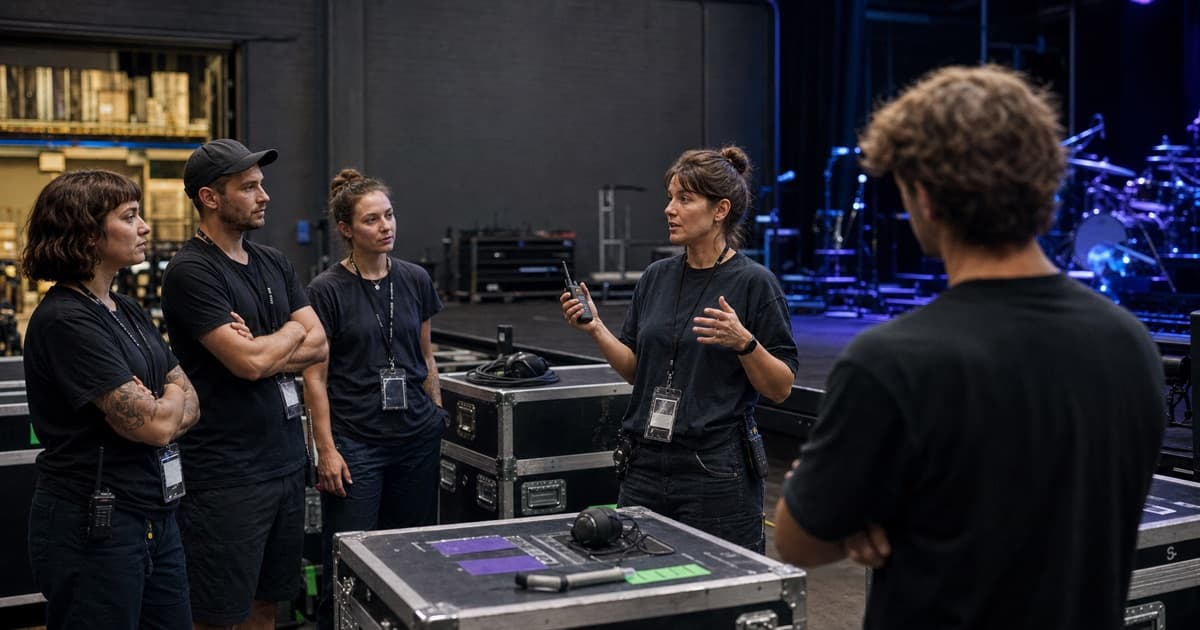
Crew onboarding should not begin in the hotel lobby.
By the time someone joins a tour, they should already know where to be, who they report to, what documents are needed, how communication works, and what information they can access. The first day is for doing the job, not chasing missing phone numbers.
Start With the Basics
Collect the essentials before travel:
- Full legal name
- Preferred name
- Role and department
- Phone
- Emergency contact
- Dietary requirements
- Passport and visa status if relevant
- Travel document expiry dates
- Shirt size or uniform needs
Keep this structured. If crew information lives in email threads, it will be incomplete exactly when you need it.
Confirm Role and Reporting Lines
Every crew member should know:
- Their role
- Their department
- Their direct lead
- Who approves schedule changes
- Who handles travel questions
- Who handles payroll or invoicing
- Who to contact in an emergency
Ambiguity creates repeated questions. Clear reporting lines make the tour feel organized before the first call.
Share the Tour Basics
Before day one, send a concise overview:
- Tour name and routing
- Start and end dates
- First arrival details
- Accommodation plan
- Transport plan
- Daily communication channels
- Key contacts
- Expected call times for the first day
Do not send a wall of documents with no priority. Tell people what matters first.
Handle Documents Early
Depending on the tour, crew may need:
- Contracts
- Invoices or tax forms
- Passports
- Visas
- Work permits
- Insurance documents
- Driver licenses
- Medical or emergency forms
- Credential photos
Create a deadline and track completion. "Please send docs soon" is not a process.
Set Communication Rules
Good onboarding explains how information moves:
- Where day sheets are posted
- Which channel is for urgent updates
- Who can change schedules
- How late changes are announced
- Where files and documents live
- How crew should report issues
The goal is to prevent parallel systems. If half the crew relies on group chat and half checks the day sheet, updates will split.
Give the Right Access
Not every crew member needs every detail. Before the tour starts, decide what each role can see:
- Schedule and day sheets
- Crew contacts
- Hotel details
- Travel documents
- Production details
- Financial information
- Artist-only notes
Access should be practical. Crew need enough information to do their jobs without exposing details they do not need.
Build a First-Day Checklist
On day one, confirm:
- The crew member has arrived
- Contact details are correct
- Credentials are issued
- App or system access works
- They know the next call time
- They know their department lead
- Required documents are complete
This takes minutes when prepared and hours when improvised.
Keep Onboarding Reusable
Every tour teaches you something. After each run, update the onboarding process:
- Which questions were repeated?
- Which documents arrived late?
- Which access rights were wrong?
- Which first-day details were unclear?
- Which crew notes helped later?
A repeatable onboarding process makes every new crew member easier to support.
Onboard Touring Crew With tour-flow
tour-flow keeps crew profiles, roles, contacts, requests, documents, and event access connected, so managers can prepare the team before departure and give each person the right tour information from day one.
Turn onboarding into a repeatable part of tour preparation. Set up your next crew in tour-flow